


A 3D scanning investment usually does not get delayed because teams doubt the technology. It gets delayed because the return feels harder to explain in business terms. A scanner may clearly improve speed and accuracy, but stakeholders still want to know where costs come down, where workflows improve, and how the investment supports better decisions over time. That is why ROI should be evaluated as an operational advantage, not just as a tool purchase. If your organization is comparing 3D scanning with manual measurement, outsourced services, or older inspection methods, the real issue is whether better 3D data will create meaningful business value.
Why ROI should be viewed as a workflow improvement
The return from 3D scanning rarely comes from the device alone. It comes from the way scanning improves the broader workflow around measurement, inspection, modeling, verification, communication, and execution. In manufacturing, that may mean faster inspection and smoother reverse engineering. In construction, it may mean more reliable site documentation, fewer clashes, and less rework. In design and product development, it may mean shorter revision cycles and stronger fit validation. The value of scanning is usually tied to what becomes more predictable and less wasteful once accurate geometry is available earlier.
Where organizations usually see value first
Before thinking about scanner specifications, it helps to look at where the current process creates avoidable cost. In many organizations, the strongest gains appear in a few common areas:
· Manual measurement that takes too much time and slows teams down
· Rework caused by inaccurate dimensions or incomplete data
· Repeat inspections, extra site visits, or delayed approvals
· Waste in materials, fabrication, or engineering effort
· Poor documentation that creates friction later in the project lifecycle
When these issues are already affecting delivery, 3D scanning tends to have a much clearer ROI story.
Start with a clear business objective
A scanner is easier to justify when it is tied to a specific result. That could be reducing inspection time, improving dimensional accuracy, accelerating reverse engineering, improving as-built records, or supporting faster design decisions. Different teams will evaluate value in different ways. A quality team scanning small parts will not think about ROI the same way as a construction team capturing field conditions or a product team preparing scan-to-CAD data. The strongest evaluations begin with a clear business goal rather than a general interest in new technology.
Understand your current cost exposure
A proper ROI discussion needs a baseline. That means understanding what the current process really costs, including the less visible costs that sit behind slow or inaccurate workflows. In many cases, those costs are not limited to labor. They also include engineering time spent correcting issues, delays caused by rework, repeated field visits, wasted material, and slower approvals. Once those costs are visible, it becomes much easier to judge whether 3D scanning is likely to remove enough friction to justify the investment.
Time savings are often the easiest benefit to understand
One of the clearest ways organizations see value is through time savings. Traditional inspection and measurement methods often take far longer than digital capture workflows, especially when work must be repeated across multiple parts, projects, or sites. Faster capture does not only save labor hours. It can also speed up design decisions, shorten approval cycles, and reduce the time teams spend solving avoidable issues. In workflows where technical staff are expensive and schedules are tight, this alone can make scanning financially attractive.

The return usually comes from a combination of improvements
Most organizations do not recover the investment because of one dramatic result. The value usually builds through several connected improvements across the workflow, such as:
· Lower labor spent on measurement and inspection
· Reduced rework from better geometry and earlier validation
· Faster engineering, QA, or documentation cycles
· Better communication between teams using shared 3D data
· More reliable records for future maintenance, upgrades, or compliance
This is why 3D scanning often performs best when it is used as part of a larger digital workflow rather than as a standalone capture step.
Avoided cost matters as much as visible savings
Some of the most important ROI from 3D scanning comes from problems that never happen. A clash found early, a defective part caught before shipment, or a field error prevented before installation all have real financial value. These avoided costs are easy to underestimate because they do not always appear as direct line items. But in many industries, especially construction, manufacturing, and industrial maintenance, they are a major part of the business case. Better data early in the process often reduces the cost of uncertainty later.
The right scanner fit affects ROI more than many teams expect
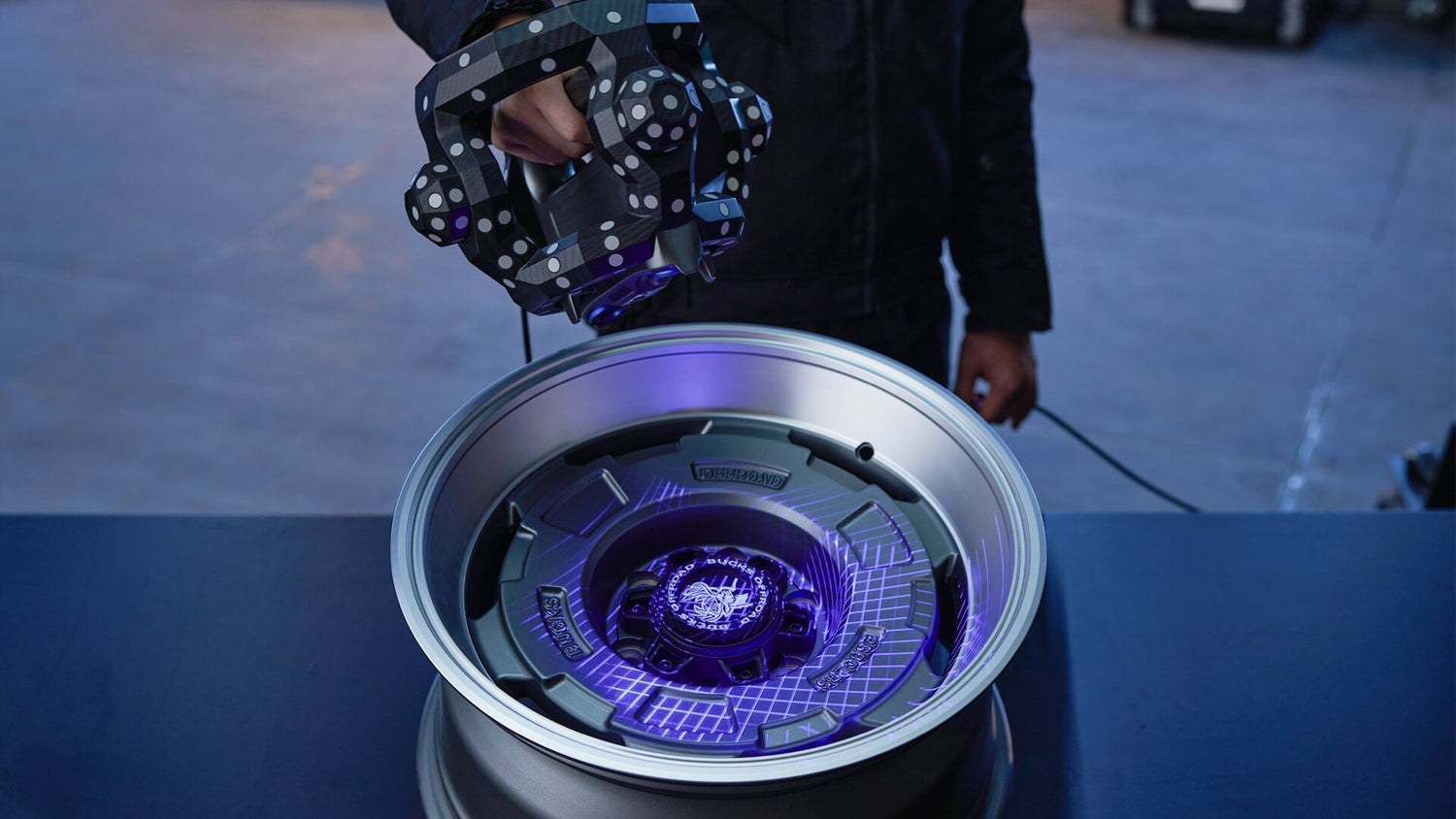
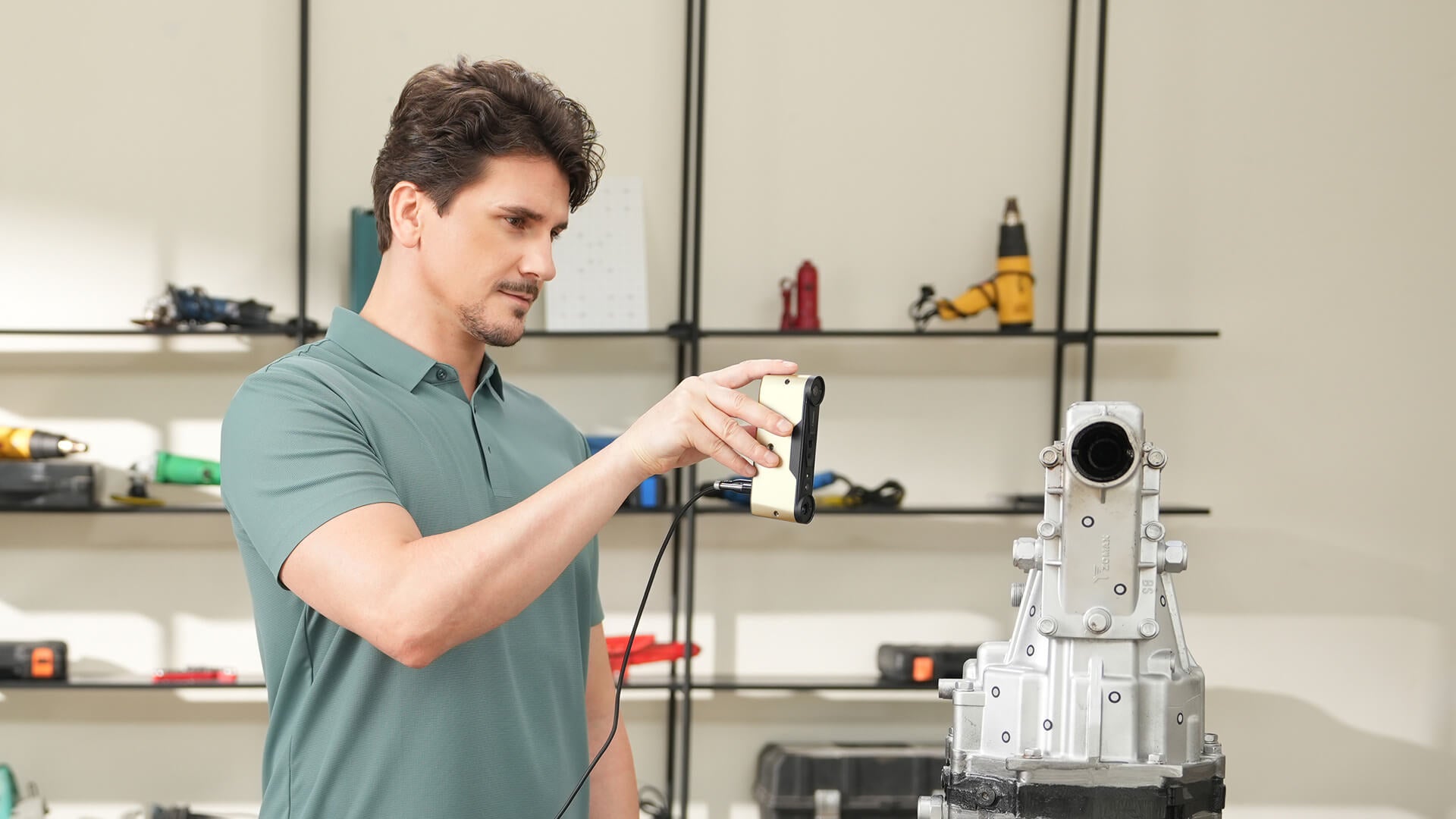
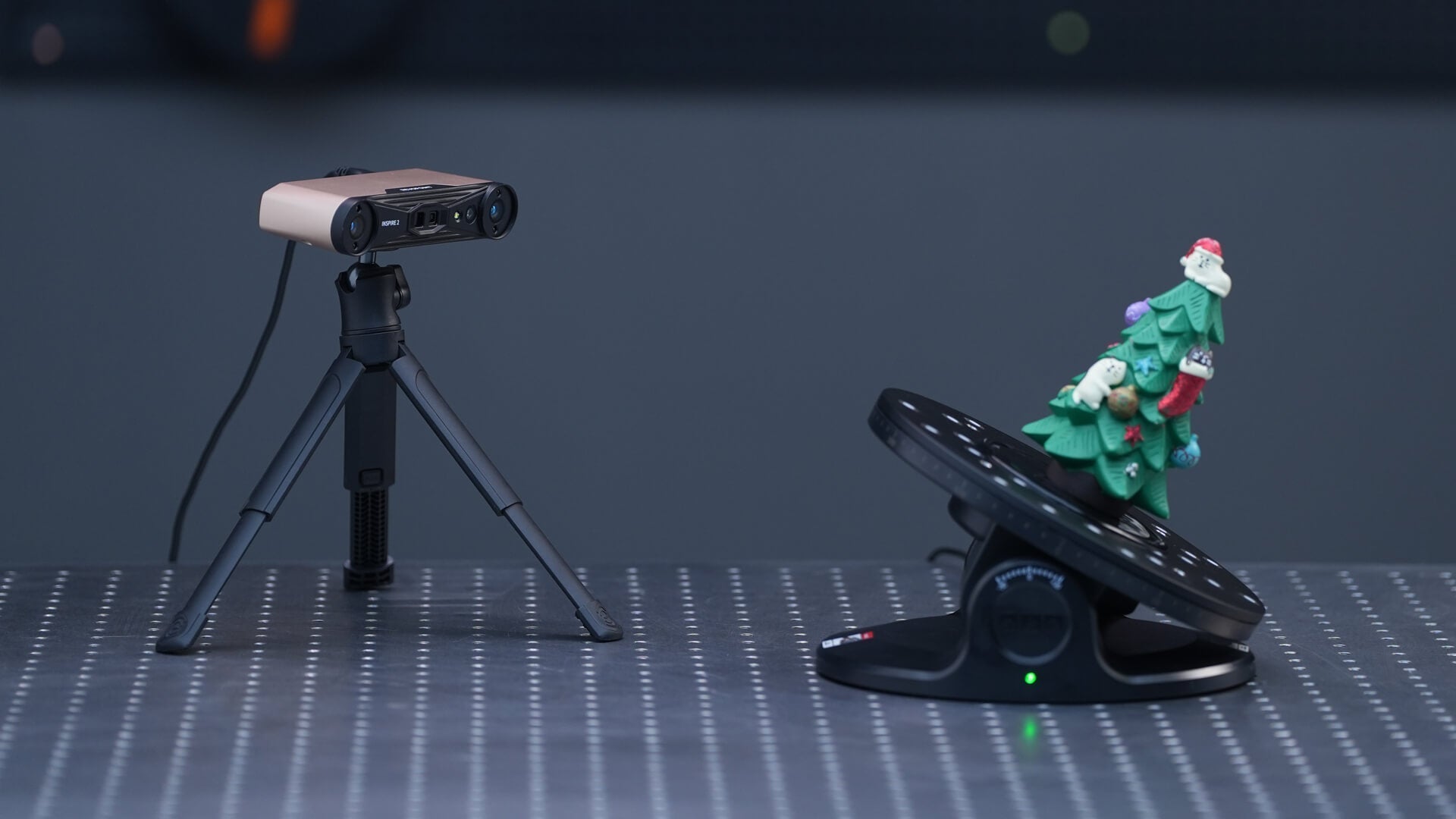
Not every scanner creates the same return. ROI depends heavily on whether the system fits the actual job, the environment, and the downstream workflow. Teams should think about object size, detail requirements, portability, surface challenges, and how the scan data will be used after capture. That is why product fit matters. Revopoint’s scanner range supports different use cases across portable, standalone, and industrial workflows. MINI 2 is more suited to fine-detail small-object capture, POP 3 Plus works well for portable general scanning, INSPIRE 2 supports flexible mobile use, and MetroX, MetroY, and MetroY Ultra are more aligned with measurement-driven industrial applications. Matching the system to the work is a big part of protecting ROI.
Software should be part of the evaluation
The value of scanning does not end when data is captured. ROI also depends on how efficiently that data can move into measurement, reporting, CAD, inspection, or design workflows. If post-processing is slow or disconnected, some of the value gets lost. That is why software matters in the business case. For organizations that need scan-to-measure or scan-to-CAD workflows, connected tools such as Revo Measure and Revo Design help make the output more usable and the overall workflow more efficient.

Buying is not the only path
Organizations do not always need to purchase immediately. The right approach depends on how often scanning will be used and how central it is to operations. In general, teams should consider:
· Buying when scanning is frequent and becoming part of regular workflow
· Renting when usage is occasional or when testing a process first
· Outsourcing when the need is specialized or infrequent
This kind of evaluation keeps the ROI discussion grounded in practical use rather than assumptions.
A simple way to think about financial return
If an organization is losing tens of thousands of dollars each year through slow measurement, repeated rework, extra verification, and wasted engineering time, then even a moderate improvement can be meaningful. For example, if better capture and documentation remove enough inefficiency to save around $20,000 to $30,000 annually, a scanning setup that costs less than that can quickly become a smart operational investment. The point is not to chase a perfect number. It is to understand whether scanning removes enough recurring cost and risk to create a strong business advantage.
Implementation quality shapes the result
Even a capable scanner may underperform if the objective is unclear or the team is not ready to use it effectively. That is why implementation matters. Clear goals, realistic expectations, proper training, sample testing, and reliable vendor support all improve the chance that scanning becomes part of productive daily work. In many cases, a well-matched system that teams actually use consistently will deliver more value than a more advanced system that sits underused.
Conclusion
Evaluating the ROI of 3D scanning is really about understanding how better 3D data changes your workflow. The return may show up through faster inspections, lower rework, better documentation, smoother engineering decisions, or stronger long-term asset management. The strongest ROI cases usually come from a mix of visible savings and avoided downstream costs. For organizations exploring practical scanning options, Revopoint is worth considering because its range supports everything from portable everyday capture to more industrial measurement workflows, helping teams choose a system that fits the job and supports real operational value.

Leave a comment
This site is protected by hCaptcha and the hCaptcha Privacy Policy and Terms of Service apply.